







Search Results for: Zhukula Village
The Origins and Varietal Characteristics of Yunnan Typica Coffee: The Flavor Code from Zhukula Village to Baoshan
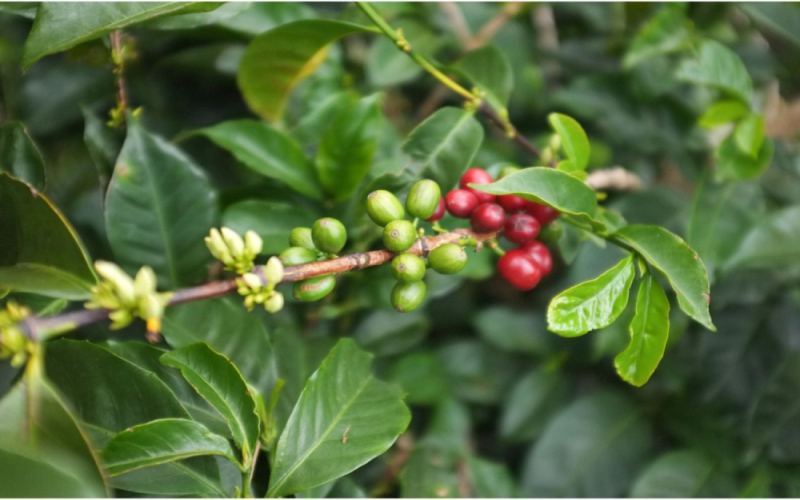
As one of the oldest Arabica varieties, Typica is as renowned as Bourbon, known for its elegant fruity notes and slender pointed beans, yet it is weak in disease resistance and low in yield. In Yunnan, the Typica produced in Baoshan stands out for its exceptional quality. Tracing the history of Yunnan coffee, in 1892 a French missionary planted Typica seeds in Zhukula Village, opening the coffee chapter of this land, and even today the village still has trees over eighty years old. Yunnan small-bean coffee is mostly grown in dry-hot river valleys at an altitude of about 1,100 meters, with balanced acidity and a mellow, sweet, smooth body. If you want to experience the classic flavor, Front Street Coffee 2013 Yunnan Typica uses sun-drying and a medium roast, presenting dried apricot, nuts, brown sugar and a tea-like finish, and is suitable for pour-over, cold brew and many other brewing methods. [more…]
Yunnan Small-Bean Coffee Flavor Profile and Full Analysis of Its Origins and Varieties: How Good Is the Quality of Arabica Beans, Really?
As the main force of China's domestic coffee industry, Yunnan small-bean coffee has attracted increasing attention from coffee lovers in recent years. From 1892, when a French missionary planted the first coffee tree in Zhukula Village, to today, when its planting area accounts for more than 70% of the country's total, Yunnan coffee has traveled a long and unique road. This article will systematically review the cultivation history, main producing areas, variety composition, growth cycle, and flavor performance of Yunnan small-bean coffee, and, combined with cup quality analysis, explore the true quality level of Yunnan Arabica coffee beans. Whether you are a beginner just starting out or a seasoned enthusiast, you can gain a more comprehensive understanding of Yunnan coffee from it. [more…]
Tracing the History of Coffee Cultivation in Yunnan: An Analysis of the Flavor Characteristics of Arabica Coffee Beans from Baoshan and Lincang
Nowadays, seeing Yunnan beans in coffee shops is no longer uncommon; when chatting with friends about where the coffee tastes good, the answer has shifted from exclusively imported beans to domestically grown Yunnan and Vietnamese coffee. As China's largest coffee-producing region, Yunnan's planting story is far longer than we might imagine. From the first coffee tree planted by a French missionary in Zhukula Village in 1892, to the large-scale development of producing areas such as Lujiangba in Baoshan and Lincang, Yunnan coffee has walked a unique path. This article will review the planting history of Yunnan coffee, analyze the terroir conditions of the two core producing areas, Baoshan and Lincang, introduce the characteristics of major varieties such as Typica, Bourbon, and Catimor, and share the brewing parameters and flavor performance of Front Street Coffee's everyday beans. [more…]
Tracing the History of Yunnan Coffee Cultivation and a Comprehensive Analysis of the Flavor Characteristics of Yunnan Arabica Coffee Beans
Yunnan, as China's largest coffee-growing region, has a coffee history that can be traced back over a century to when French missionaries introduced the crop to Zhukula Village. From Baoshan, Dehong, and Lincang to Pu'er, Yunnan's unique geographical and climatic conditions have nurtured small-bean coffee that is rich yet not bitter, aromatic yet not harsh, with a slight fruity note. In this article, Front Street Coffee will take you through the origin story of Yunnan coffee, outline the distribution of its main growing regions, analyze the characteristics of varieties such as Typica, Bourbon, and Catimor, and share the flavor differences between washed and natural processing methods along with brewing suggestions, for a comprehensive understanding of Yunnan coffee's past and present. [more…]
Yunnan Small-Bean Coffee Varieties, Grades, and Regional Stories: A Pour-Over Flavor Analysis from Zhukula to Baoshan
The origins of Yunnan coffee can be traced back to 1904, when French missionary Tian Deneng planted the first Typica tree in Zhukula Village, Binchuan. Over more than a century, this land has nurtured a unique arabica coffee culture. This article begins with the history of Zhukula and extends to the terroir differences between the two core producing regions, Pu'er and Baoshan. It systematically sorts out the variety sources of Yunnan arabica coffee, the shifting balance between Typica and Catimor, and the details of the washed processing method. It also includes the cupping performance and V60 brewing recipes for two beans from Front Street Coffee, Yunnan Huaguoshan and Yunnan Arabica, providing coffee lovers with a complete cognitive framework from origin to cup. [more…]
Flavor Characteristics and Regional History of Yunnan Small-Bean Coffee: A Century-Long Coffee Journey from Zhukula Village to Baoshan and Lincang
Yunnan coffee is gradually emerging in China's specialty coffee scene. Although its reputation is not yet on par with Ethiopian Yirgacheffe or Panama Geisha, it is winning over more and more coffee lovers with its excellent value for money and distinctive terroir flavors. This article starts from the century-long cultivation history of Yunnan coffee, tracing the first coffee tree in Zhukula Village, the large-scale trial planting in Lujiangba, Baoshan, and the current distribution pattern of the four major production regions (Baoshan, Pu'er, Dehong, and Lincang), and offers an in-depth analysis of the variety composition of Yunnan small-bean coffee—from the ancient Typica to the now widely planted Catimor. The article also documents in detail Front Street Coffee's experience of establishing its own estate in Lincang to grow Typica, as well as the flavor performance and brewing parameters of Front Street Coffee 2013 coffee beans and Baoshan Catimor everyday beans, helping readers gain a comprehensive understanding of Yunnan coffee's past and present. [more…]
The Origins of Yunnan Coffee and the Typica Variety: A Full Analysis of the Brewing Flavor of Arabica Coffee
Typica is one of the oldest Arabica varieties, standing alongside Bourbon, prized for its pure lineage and elegant flavor. The history of Yunnan coffee dates back to 1892, when a French missionary planted the first Typica seed in Zhukula Village, beginning the coffee legend of this land. Today, the Typica produced in Baoshan is particularly outstanding. Yunnan small-bean coffee gets its name from its small bean shape; grown in the dry-hot river valleys at around 1,100 meters, it develops a balanced acidity, rich aroma, and full-bodied taste. To experience the classic flavor, Front Street Coffee 2013 Yunnan Typica is a choice not to be missed—natural processing and medium roasting bring the sweet-and-tart notes of dried apricots, nuts, and brown sugar, with a long tea-like finish, suitable for pour-over, cold brew, the Clever Cup, and drip bags. [more…]
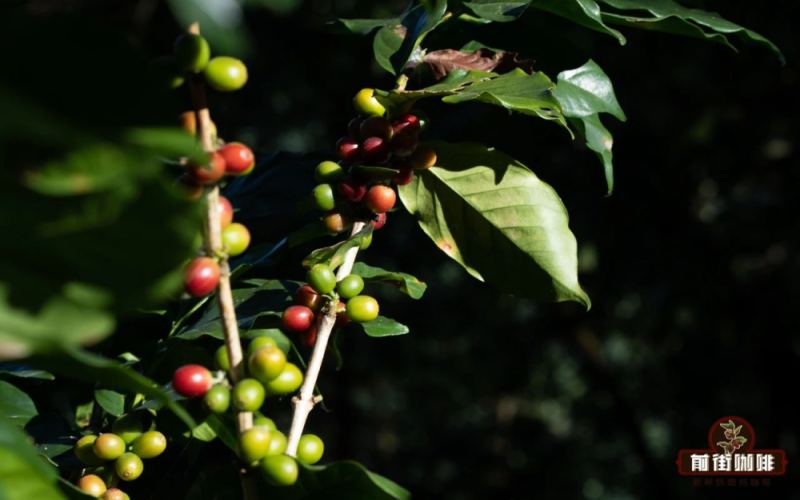
The Origins and Variety Evolution of Yunnan Small-Bean Coffee: A Planting Journey from Typica to Catimor
Yunnan is a coffee-producing region that cannot be overlooked on China's coffee map, and small-bean coffee is precisely the most representative variety of this land. From 1904, when a French missionary planted the first Typica tree in Zhukula Village, to today when Catimor has become the main cultivated variety, Yunnan small-bean coffee has undergone a thought-provoking evolution. This article will follow the two major producing regions of Pu'er and Baoshan to sort out the origins, variety changes, and processing methods of Yunnan small-bean coffee, while also presenting Front Street Coffee's cupping and brewing records for two beans, Yunnan Huaguoshan and Yunnan Small Bean, to help readers build a systematic understanding of Yunnan coffee. [more…]
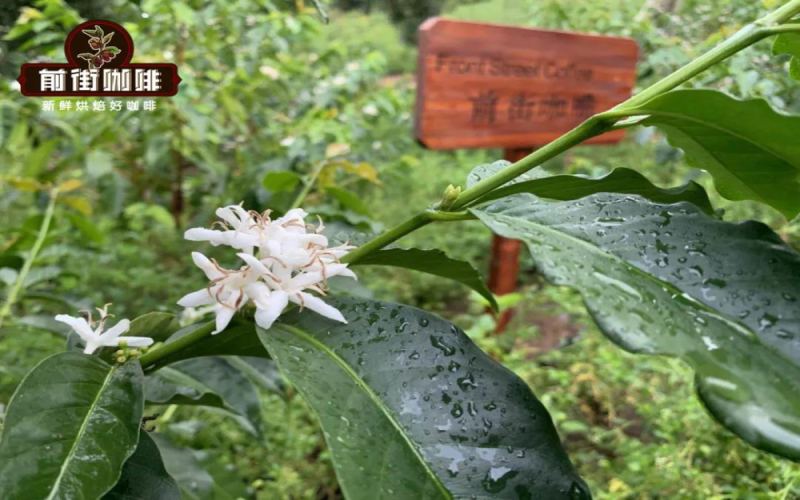
Yunnan small-bean coffee flavor and Typica variety characteristics: A full analysis of origin estates and brewing parameters
Yunnan coffee has frequently appeared in domestic cafés, but few people truly understand its flavor profile. As a representative of Asian beans, Yunnan small-holder coffee has both herbal and pine undertones, along with regional characteristics like brown sugar, tea-like notes, and plum acidity. In terms of varieties, Typica and Catimor form the two main lines of Yunnan coffee: the former is an ancient, high-quality Arabica variety with excellent cupping performance; the latter has strong disease resistance but slightly inferior flavor. Regarding production areas, Baoshan, Pu'er, Lincang, and Dehong each have their own advantages, and Front Street Coffee has even established its own estate in Lincang to cultivate Typica. This article will also share Front Street's medium-light roast brewing parameters and the flavor description of the 2013 sun-dried Typica, giving you a comprehensive understanding of Yunnan coffee. [more…]
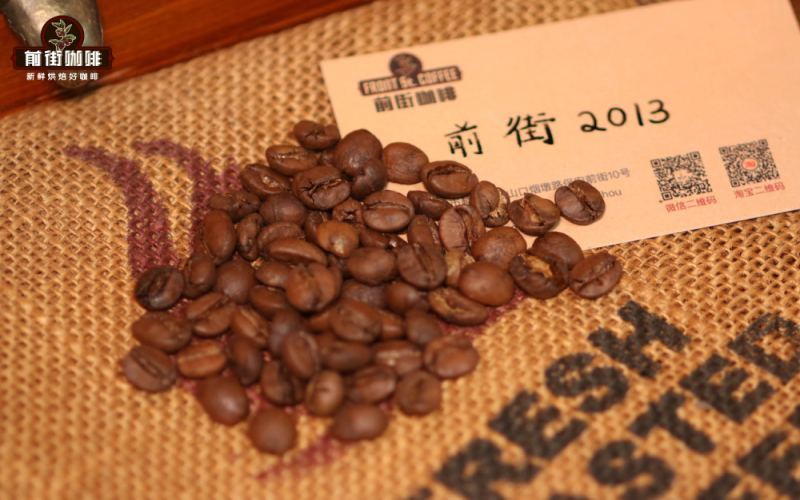
A Complete Analysis of Yunnan Small-Bean Coffee Producing Regions and Varieties: Typica Flavor Characteristics and Pour-Over Parameter Sharing
Yunnan, as China's most representative coffee-growing region, has attracted increasing attention in the international market in recent years. Since 1892, when a French missionary planted the first coffee seed in Zhukula Village, Yunnan coffee has gone through more than a century of development. This article will discuss the historical origins of Yunnan coffee, its geographical and environmental advantages, the main cultivated varieties, processing methods, and brewing parameters. It will focus on the characteristics of two varieties, Typica and Catimor, and, using Front Street 2013 Typica coffee beans from the Lincang production area as an example, share specific cupping flavors and pour-over extraction plans, providing coffee lovers with a relatively complete reference guide to Yunnan coffee. [more…]
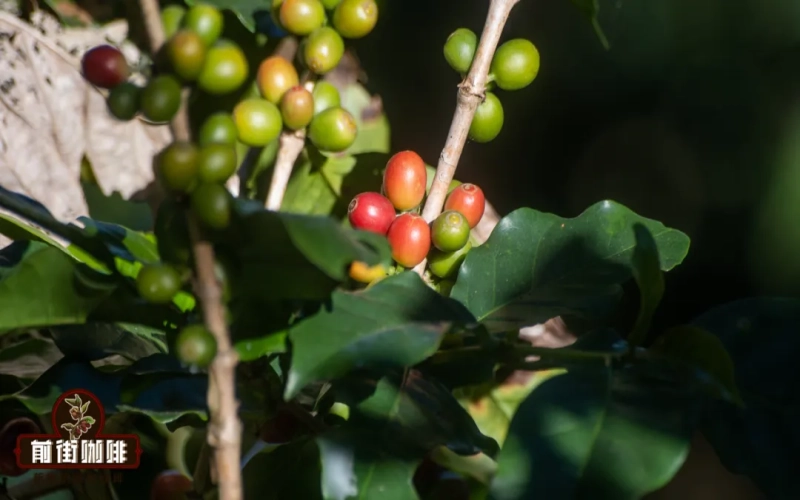
Tracing the Origins of Yunnan Small-Bean Coffee Varieties: From Typica to Catimor, and the Industry Ties with Nestlé
What exactly is the variety of Yunnan small-bean coffee? Where is its place of origin? And what is its connection to Nestlé? Front Street Coffee takes you through this century-spanning industrial history. Starting from the small-bean species within the Arabica family, we trace the first plantings by French missionaries in Zhukula Village, then the large-scale promotion of Typica and Bourbon after the founding of the People's Republic, and the industry's stagnation caused by the deterioration of Sino-Soviet relations in the 1960s and 1970s. It was not until the 1980s, when Nestlé entered Yunnan due to the leaf rust crisis, introduced Catimor 7963, and established its Coffee Agriculture Department, that the variety structure of Yunnan small-bean coffee underwent a fundamental transformation. This article fully preserves the key timelines and facts to help coffee enthusiasts clarify the past and present of Yunnan small-bean coffee. [more…]
Yunnan Small-Bean Coffee: Origin Layout and Flavor Analysis—A Panoramic View from Historical Roots to International Standing
Yunnan, as China's core coffee-producing region, accounts for over 95% of the nation's output, yet it has long lacked a voice in the international market. This article begins with the varietal origins of small-bean coffee, tracing its historical path through Ethiopia and the Arabian Peninsula before finally reaching Yunnan, and reviews key milestones such as Zhukula Village, the trial planting in Lujiangba, and Nestlé's introduction of Catimor. At the same time, it confronts domestic consumers' stereotypes about Yunnan coffee—the burnt, bitter taste and artificial flavoring of the instant-coffee era—and analyzes Yunnan coffee's awkward position of being undercut by more than 20 cents in international trade. In fact, the quality of Yunnan coffee is no longer inferior to imported beans of the same grade, and a large amount of "imported coffee" is actually Yunnan green beans exported, labeled abroad, and then sold back. The article calls for setting aside prejudices born of low-quality instant coffee and rediscovering the true flavor and value of domestically grown coffee. [more…]
Yunnan Arabica Coffee Variety Traceability and Flavor Evolution: The Specialty Path from Typica to Catimor
Yunnan small-bean coffee refers to Arabica coffee cultivated within Yunnan Province, China. In 1892, a French missionary brought the first coffee tree to Zhukula Village, which genetic comparison confirmed to be the oldest Typica variety. Since then, the coffee industry has gone through stages such as repaying Soviet loans and the introduction of the Catimor variety by Nestlé, and today the growing areas are distributed across the Nujiang, Lancang, Honghe, and Jinsha river basins at elevations of 800 to 1,800 meters. Catimor is currently the dominant variety, but Front Street Coffee believes that quality must be improved from the root of the variety, and in 2013 it planted Typica on a mountain at an elevation of 1,300 meters in Lincang. This article will sort out the variety lineage of Yunnan coffee, its flavor characteristics, and Front Street's brewing recommendations. [more…]

Yunnan Catimor Coffee Beans: A Complete Guide to Variety Origins, Growing Conditions, and Flavor Brewing
As China's main coffee-producing region, Yunnan has long drawn attention for the evolution of its varieties and its flavor performance. Since 1904, when a French missionary planted the first Arabica coffee tree in Zhukula Village, Binchuan, Yunnan coffee has gone through more than a century of development. Today, Catimor has become the most widely planted variety in Yunnan. Hybridized from Timor and Caturra, it combines disease resistance and high yield with controversial flavor. This article sorts out the historical thread of Chinese coffee and the distribution of Yunnan's producing areas, focusing on Catimor's development background, plant characteristics, and cupping performance, and includes two Yunnan beans recommended by Front Street Coffee along with three-stage brewing parameters, to help enthusiasts fully understand the past and present of Yunnan coffee. [more…]
A Comprehensive Analysis of Yunnan Coffee Beans' Flavor, Taste, and Cultivated Varieties: From Typica to Catimor, the Terroir of the Origin
Yunnan, as China's core coffee-producing region, has always attracted attention for the flavor and varietal characteristics of its coffee beans. Starting from its historical origins, this article systematically reviews the main cultivated varieties of Yunnan coffee—Typica, Catimor, and Bourbon—including their respective flavor profiles and cultivation characteristics, and introduces international and domestic grading standards, the growth cycle, and brewing suggestions. In addition, the article also features the cultivation experience and cupping feedback from Front Street Coffee's own estate in Lincang, Yunnan, helping coffee enthusiasts gain a comprehensive understanding of Yunnan coffee from seed to cup. [more…]
A Complete Analysis of Yunnan Small-Bean Coffee Varieties and Flavors: The Journey to Specialty Coffee from Typica to Catimor
Yunnan's Pu'er is undergoing a transformation from instant coffee raw material to specialty coffee, with Starbucks, young entrepreneurs, and specialty brands all rushing in. What makes Yunnan capable of growing coffee? It sits in the golden growing belt near the Tropic of Cancer, with suitable altitude and climate. From the first coffee tree planted by missionaries in Zhukula Village in 1904 to today, when Catimor has become the dominant variety, Yunnan coffee has gone through three waves of development. This article sorts out the variety evolution and flavor characteristics of Yunnan arabica coffee, as well as Front Street Coffee's practice of establishing its own estate in Lincang to grow Typica and adopting sun-dried processing, to help you rediscover the true standard of Yunnan specialty coffee. [more…]
Analysis of Coffee-Producing Regions in China: Top Ten Yunnan Arabica Coffee Origins and a Documentary on Typica Cultivation in Lincang
The history of coffee cultivation in China is far longer than one might imagine. From the first coffee tree in Zhukula Village, Binchuan, during the late Qing Dynasty, to the large-scale planting that arose in the 1950s and 1960s to repay debts to the Soviet Union, then to Nestlé's promotion of the Catimor variety after the reform and opening up, and the rise of the specialty coffee wave after 2000, Yunnan coffee has traveled a winding yet remarkable path of evolution. Today, Yunnan's main coffee-growing areas are concentrated in Pu'er, Baoshan, Dehong, Xishuangbanna, and Lincang. Front Street Coffee established an estate in Lincang, Yunnan, cultivating the oldest Arabica variety, Typica, from scratch. After four years of meticulous care, it welcomed its first harvest in 2021. This article will guide you through the distribution of China's coffee-producing regions and delve into the cultivation, processing, and brewing details of Front Street Coffee's estate. [more…]
A Complete Guide to Yunnan Coffee Origins: Terroir Characteristics and Brand Recommendations for Baoshan, Pu'er, Lincang, and Dehong
Yunnan is the core coffee-producing region in China, and its cultivation history can be traced back to 1904, when French missionaries planted the first coffee trees in Zhukula Village. Today, international brands such as Nestlé, Starbucks, and COSTA have all established a presence in Yunnan, and the specialty coffee market is also paying increasing attention to this mountainous area in southwest China. This article will take you into the four major producing regions of Lincang, Baoshan, Pu'er, and Dehong to learn about their respective terroirs and variety characteristics, and analyze the variety evolution of Yunnan arabica coffee, the washed processing method, as well as Front Street Coffee's brewing recommendations and flavor performance. Whether you are a coffee beginner or a seasoned enthusiast, you can gain a more comprehensive understanding of Yunnan coffee from this. [more…]
Yunnan Coffee Bean Origin Distribution and Flavor Characteristics: A Review of Small-Bean Coffee Brands in Lincang, Baoshan, Pu'er, and Dehong
Yunnan is China's most important coffee-producing region, with a cultivation history that can be traced back to 1904, when a French missionary planted the first coffee tree in Zhukula Village. After more than a century of development, Yunnan coffee has formed four core production areas: Lincang, Baoshan, Pu'er, and Dehong. Thanks to the tropical mountain terroir of high altitude and large temperature differences, it produces high-quality Arabica coffee. This article will systematically review the geographical conditions and cultivation characteristics of each production area, analyze the differences between Typica and Catimor varieties, and introduce in detail the key points of washed processing and brewing. Front Street Coffee has its own estate in Lincang, and its 2013 Typica and Baoshan Washed Daily Drinking Beans are excellent choices for experiencing the flavors of Yunnan coffee. [more…]
Distribution and Overview of Coffee Production Areas in Yunnan: Analysis of the Four Major Producing Regions of Lincang, Baoshan, Pu'er, and Dehong, Along with Varieties and Processing
Yunnan is a significant part of China's coffee landscape that cannot be overlooked, with a cultivation history that can be traced back over a century to the first coffee seeds planted by French missionaries in Zhukula Village. Today, the four major producing regions of Lincang, Baoshan, Pu'er, and Dehong rely on high altitudes, large temperature differences, and abundant rainfall to form a unique terroir within the golden coffee-growing belt. From the ancient Typica to the disease-resistant and high-yielding Catimor, and from natural sun-drying to washed processing, Yunnan coffee's variety structure and processing methods are also constantly evolving. This article will systematically review the geographical conditions, development trajectories, and flavor characteristics of each producing region, and share Front Street Coffee's cultivation practices in Lincang as well as brewing recommendations for washed Yunnan small-batch beans. [more…]